Cover art · moon
Diana and Her Nymphs Departing for the Hunt
Peter Paul Rubens (Flemish, 1577–1640), c. 1615.
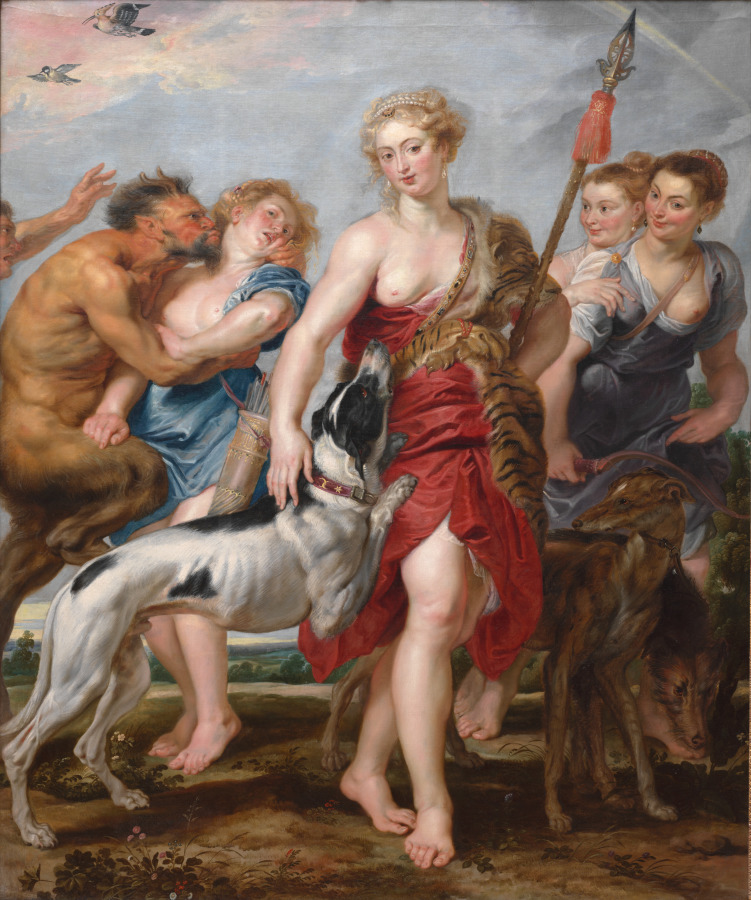
Using it on a cover
The print file prints up to 9.5 x 11.3 in at 300 ppi — enough for a full 6 x 9 in front cover. Wider than a 6 x 9 cover: crop about 21% of the width, or use it as a wraparound across back and spine.
About the work
Diana, the Roman goddess of the hunt, wears a crescent on her forehead, also identifying her as the moon goddess. Diana lived apart from men, accompanied by a group of nymphs; she often represented unattainable beauty or chastity. With a nymph at left fending off a lustful satyr, Rubens refers to a struggle between vice and virtue, combining a sensual display of female bodies with a moral undertone. To bring the viewer more fully into the narrative, Rubens pulls the full-bodied figures to the front of the picture plane, and Diana steps forward, activating the space between viewer and subject.
More moon art
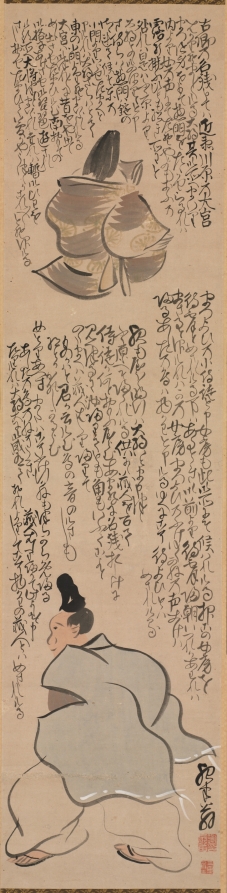 Moon Viewing, from The Tale of Heike
Yosa Buson (Japanese, 1716–1783)1700s
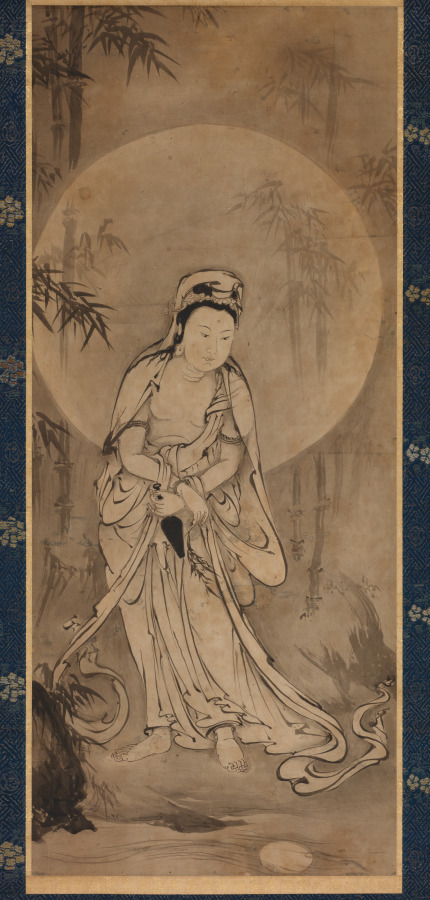 Water-Moon Kannon
Gakuō Zōkyū (Japanese, active about 1482–1514)c. 1500
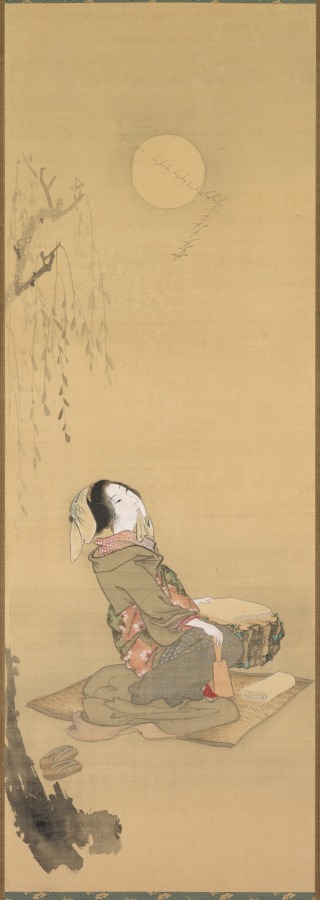 Woman Looking at the Moon
Unknown artist1800s
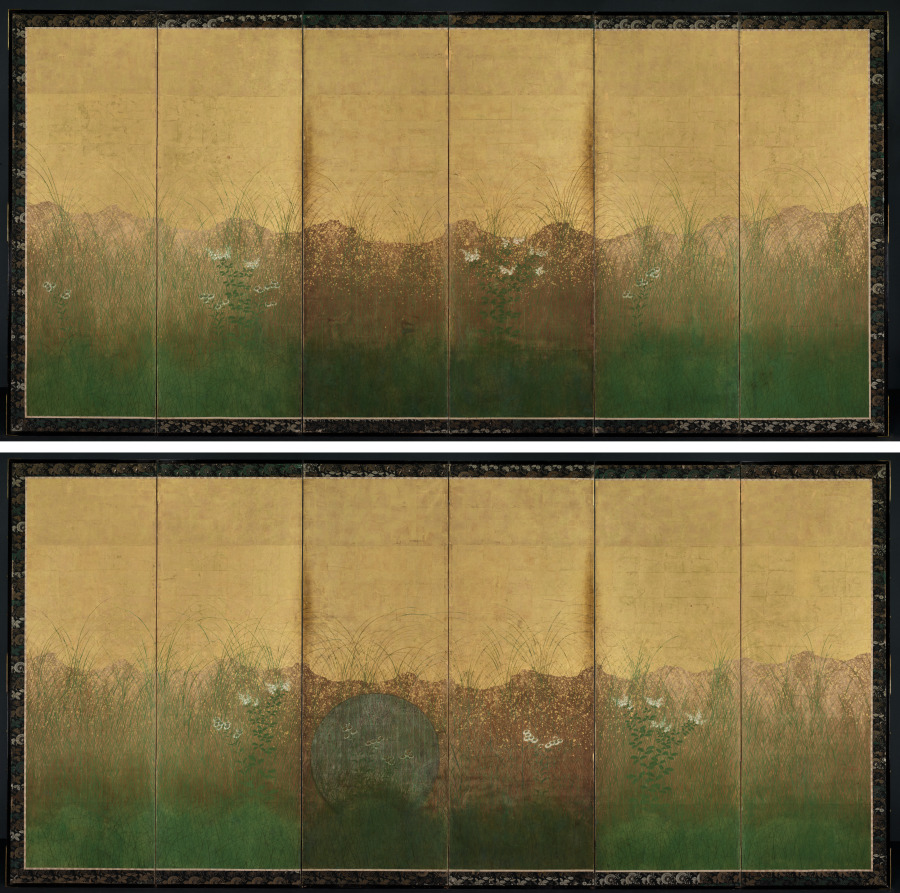 Autumn Evening with Full Moon on Musashino Plain
Unknown artistearly 1600s
 Autumn Evening with Full Moon on Musashino Plain
Unknown artistearly 1600s
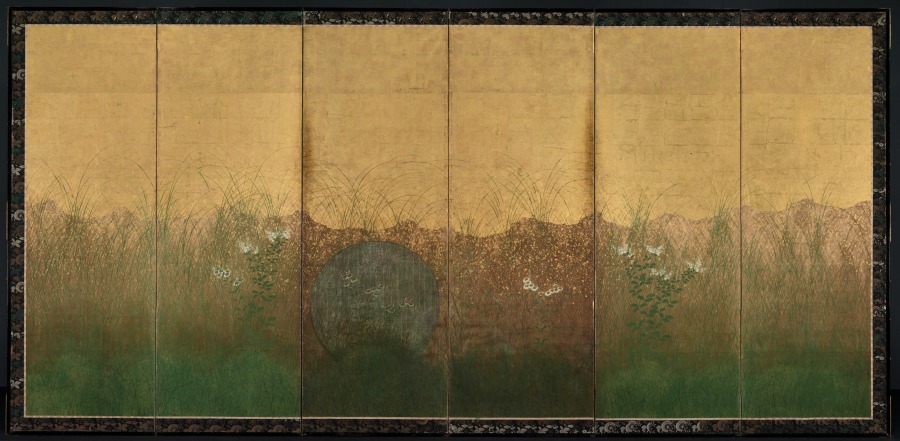 Autumn Evening with Full Moon on Musashino Plain
Unknown artistearly 1600s
Sources & data
- Artwork data and images from the Cleveland Museum of Art Open Access API (CC0).